Solve Visual Blindspots with Computer Vision
12/9/2025
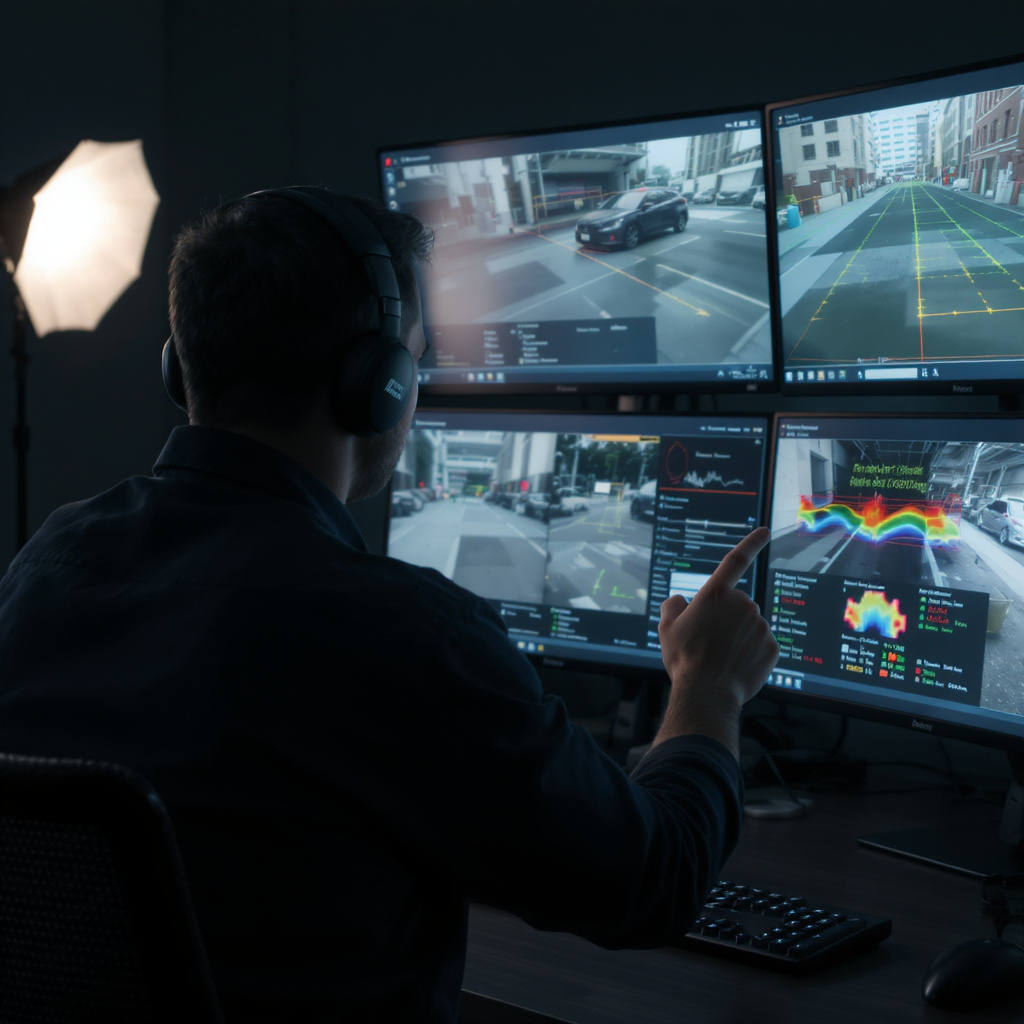
Problem: Your operation depends on visual checks — inspections, inventory, or video monitoring — but they’re slow, inconsistent, and costly. Manual review misses defects, shelves stay out of stock, and incidents are detected too late. These blindspots waste time, drive rework, and erode customer trust.
Agitate: Left unaddressed, these gaps compound: production downtime grows, quality complaints increase, shrinkage eats margin, and staff are stuck doing repetitive checks instead of higher‑value work. Latency and connectivity issues make real‑time decisions unreliable, and poorly handled image data raises privacy and compliance risks. Without clear KPIs and repeatable pilots, investments stall and stakeholders lose confidence.
Solution: Computer vision turns pixels into timely, measurable decisions. Start with a focused pilot tied to one KPI — for example, reduce defect rate or shave seconds from checkout. Design for real conditions: pick cameras and lighting that match your environment, collect diverse annotated images, and run lightweight models at the edge for low latency while aggregating data to the cloud for retraining.
- Quick wins: small scope pilots, clear success criteria, cross‑functional teams (product, ML, domain experts, legal).
- Operational approach: instrument outcomes, monitor accuracy/latency, and measure business impact (time saved, rework avoided, revenue uplift).
- Risk controls: anonymize images, keep retention minimal, apply access controls, and validate performance across demographic and environmental slices.
By starting small, measuring results, and iterating — run a short proof of value, validate with real users, then scale what works — vision becomes a predictable ROI engine that reduces routine work, improves quality, and unlocks new customer experiences.