Pillar: AI-Powered Emergency Response — Topic Hub Strategy
27/3/2026
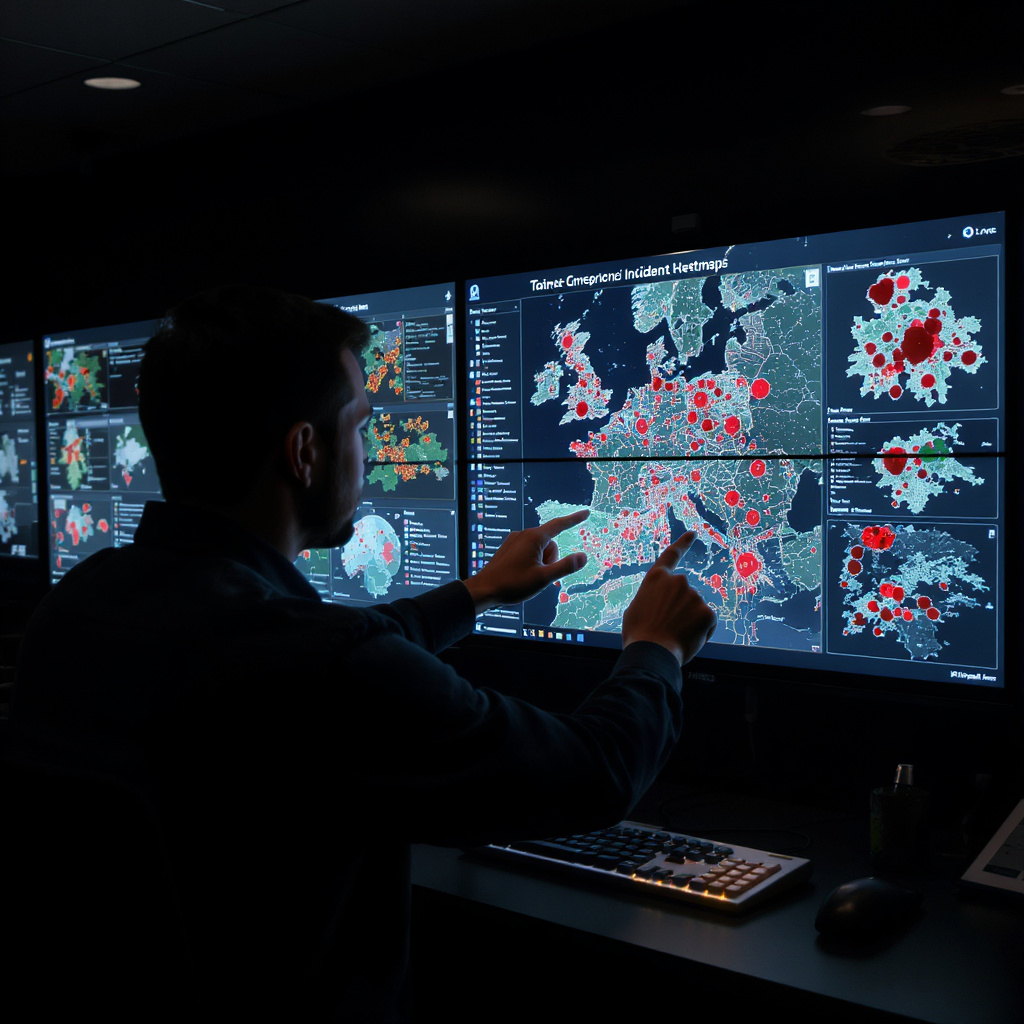
This pillar post outlines a Topic Hub (Pillar + Cluster) approach for communicating AI capabilities in emergency response. Use this comprehensive hub to build authority, improve internal linking, and guide readers from broad strategy to focused how-tos and validations.
Pillar overview: Describe the big picture: how real-time AI — processing voice, video, and telemetry — augments dispatch and field teams. Emphasize human-centered design, measurable pilots, and governance so readers understand benefits and safeguards before diving into specifics.
- Speeds decision-making: Automated analysis of calls, camera images, and sensors reduces time-to-insight and surfaces critical facts for dispatchers and incident commanders.
- Optimizes resources: Intelligent triage, dynamic dispatch, and short-term forecasting help route and pre-stage units where they will have the most impact.
- Augments—not replaces—responders: AI handles data-heavy tasks and presents evidence-based recommendations with confidence scores so humans retain final judgment.
Operational components to cover in the pillar:
- Automated triage: Real-time NLP for caller extraction, location, urgency scoring, and pre-arrival guidance.
- Computer vision: Drone/CCTV processing for victim detection, damage assessment, and shared scene maps.
- Dispatch optimization: Live routing combining traffic, unit status, and hospital capacity; dynamic stationing based on short-term forecasts.
- Situation awareness: Unified dashboards that correlate sensor feeds, verified social inputs, and layered maps with smart filters.
Governance, privacy, and fairness: Privacy-by-design (redaction, pseudonymization, retention limits), stratified fairness testing, explainable outputs, role-based access, and continuous audits. Log overrides and use them for model refinement.
Pilots, measurement, and scaling: Start small and time-box pilots tied to clear KPIs (response time, triage accuracy, cost per incident). Validate on historical incidents, run live pilots with dispatcher override, and expand using documented playbooks and training modules. Track model health and operational KPIs, set retraining cadences, and maintain versioned rollback procedures.
Cluster posts (link from pillar to practical deep dives):
- Cluster — Automated Call Triage: Implementation guide, NLP thresholds, sample transcripts, and integration tips (slug: /cluster/automated-call-triage).
- Cluster — Computer Vision for Incident Scenes: Thermal imaging, drone workflows, and annotation best practices (slug: /cluster/vision-incident-mapping).
- Cluster — Dispatch Optimization & Routing: Traffic integration, hospital capacity signals, and human override patterns (slug: /cluster/dispatch-optimization).
- Cluster — Privacy, Compliance & Fairness: Redaction techniques, GDPR/HIPAA mapping, and audit templates (slug: /cluster/privacy-fairness).
- Cluster — Pilot Design & KPIs: Measurement templates, baseline collection, and statistical validation methods (slug: /cluster/pilot-kpis).
Use the pillar to orient stakeholders and surface the cluster posts as actionable next steps. Internally link each cluster from the pillar and from one another where topics overlap (for example, link triage details to pilot measurement). Keep cluster posts concise, practical, and focused on one metric or workflow to maximize adoption and SEO impact.