Generative Image Models — What, Why, How, What If
16/3/2026
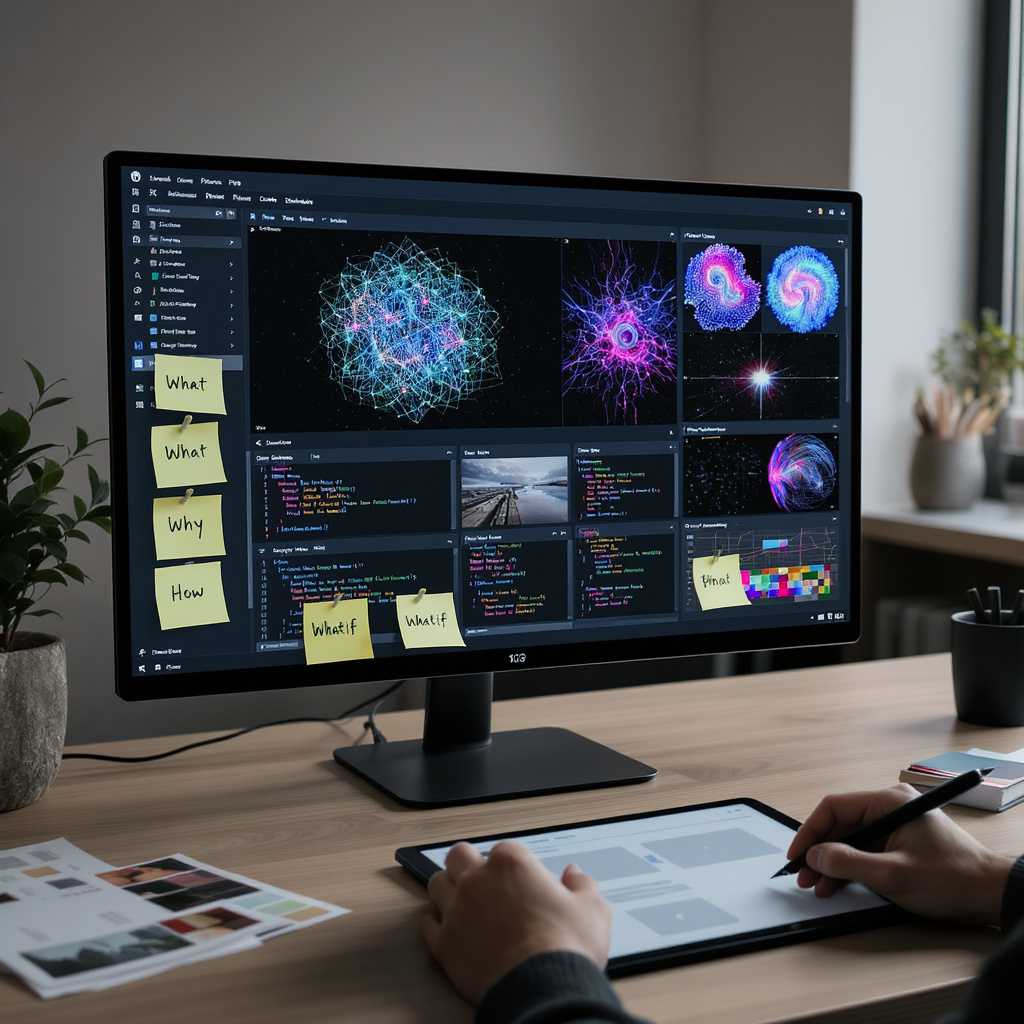
What: Generative image models turn text and example images into new visuals by learning patterns from large photo-and-caption collections. They map prompts (words, adjectives, constraints) and reference imagery into composition, color, texture, and lighting, then iteratively refine pixels to produce a final image.
Why: These tools speed ideation and lower prototyping cost—letting small teams produce marketing assets, product mockups, educational illustrations, and social content without full photoshoots or specialist studios. They enable fast A/B testing, broader creative exploration, and lower barriers to visual content.
How: At a high level, modern systems combine gradual image refinement (diffusion-style processes) with conditioning (transformer-guided prompts and reference images). Practical controls include prompts, reference images, and style parameters (lighting, palette, creativity). Use a simple workflow: ideation → rapid drafts → targeted refinement → human review. Improve results with concrete prompts (subject, mood, crop, lighting) and by logging model version, prompts, and reference sources.
- Deployment choices: Hosted for speed and managed safety; self-hosted for privacy and customization; hybrid for experimentation then scale.
- QA & metrics: Check composition, realism vs stylization, artifact detection, and consistency; track generation speed, cost per image, editability, and user impact (CTR, conversions).
- Legal & governance: Review provider terms, secure commercial rights for references, document provenance, and require legal review for high-stakes uses.
What If: If you skip governance or QA you risk inconsistent branding, legal exposure (derivative works, likenesses, trademarks), and bias or misuse. To go further, run a 4–8 week pilot with clear metrics, integrate generation into design tools and asset management, assign roles (project owner, model steward, creative lead, legal), and adopt transparency practices (metadata, watermarking, bias audits). Start small: try a guided prompt exercise, document results, and require human sign-off before public use.
Bottom line: When paired with measurement, human oversight, and clear policies, generative image models accelerate creative work while keeping accountability and quality intact.