AI in Everyday Schooling — Practical Guide (Inverted Pyramid)
21/2/2026
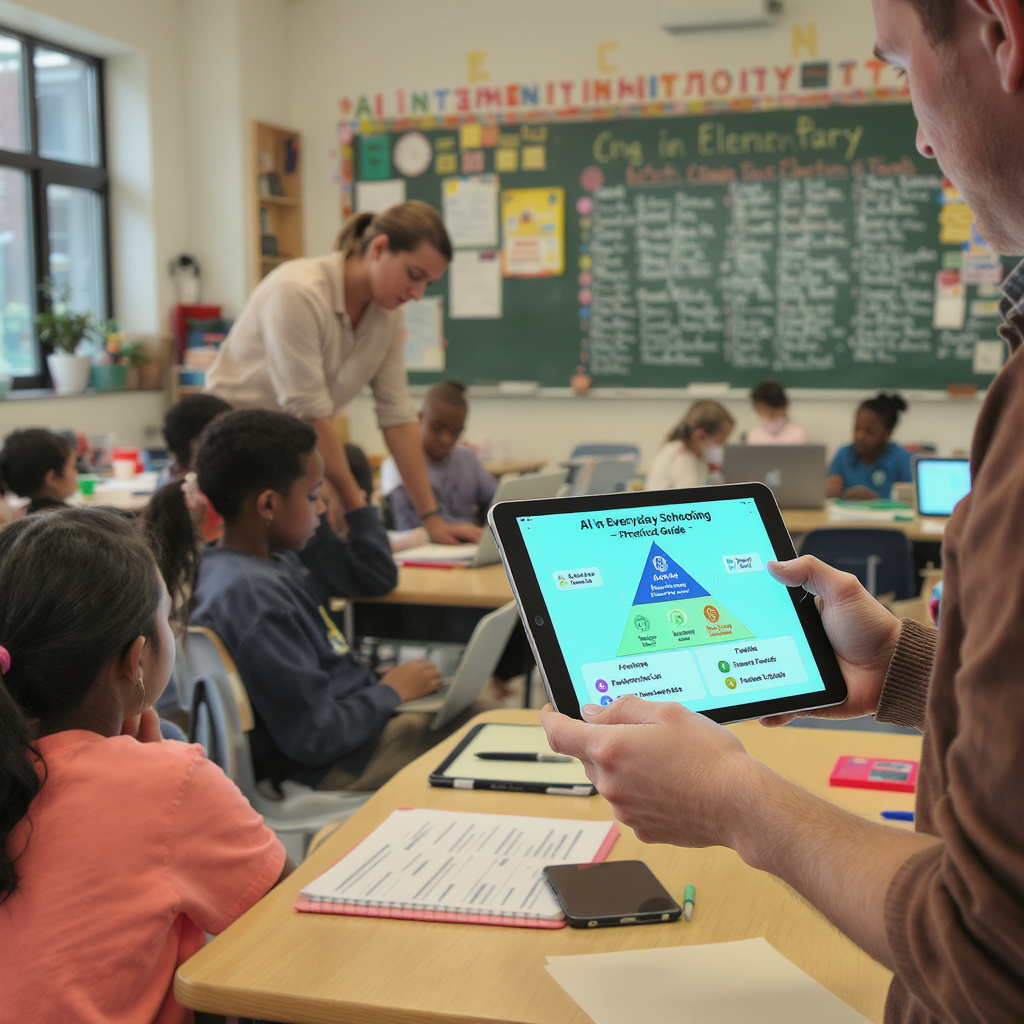
Main point: When deployed thoughtfully, AI can improve learning outcomes, save teacher time, and inform better school operations — but benefits depend on careful pilots, strong data governance, and teacher-led implementation.
Key benefits and evidence:
- Students: personalized practice paths, instant feedback, multilingual supports, and accessible formats that help close learning gaps.
- Teachers: automated grading, lesson scaffolds, and concise analytics that free up planning and allow more coaching.
- Administrators: smarter scheduling, resource allocation, and forecasting that reduce waste and improve decisions.
- Caregivers: clear progress summaries and at‑home learning guides that reinforce classroom work.
- Evidence: pilots and syntheses report single‑ to low‑double‑digit gains on targeted assessments and operational cost savings often in the 5–20% range; results vary with implementation and context.
Practical deployment steps (high-leverage actions):
- Start small: pick one narrow learning goal, run a focused pilot, and record baseline metrics (mastery, engagement, teacher minutes).
- Co‑design with teachers: build rubrics, approve generated content, and keep educators in control of pathways and thresholds.
- Validate locally: audit feedback precision, check for bias across subgroups, and iterate using teacher feedback and lightweight A/B tests.
- Protect trust and data: adopt clear privacy policies, minimize data collection, anonymize where possible, log model outputs and human edits, and follow legal frameworks (FERPA/GDPR principles).
- Vendor and technical checks: require interoperability (LMS/SSO), exportable data, sandbox testing, and pilot terms that allow pausing or ending deployments.
- Teacher training: emphasize hands-on coaching, role-specific modules, and how to interpret and adjust AI suggestions.
How AI is commonly used (examples):
- Adaptive practice: short diagnostics and ongoing signals to adjust pacing and content (e.g., reduce drills for mastered skills, surface richer prompts for strong comprehension).
- Intelligent tutoring: step-by-step hints, automated formative scoring, and targeted comments that let teachers focus on higher-value instruction.
- Classroom analytics: early-warning signals to surface students who may be struggling; use analytics as prompts for teacher review rather than automated placement.
Fairness, measurement, and evaluation tips:
- Run routine bias audits disaggregated by grade, language, and special education status; combine quantitative checks (error rates, false positives) with teacher and student voice.
- Measure both outcomes and implementation: engagement, mastery on target standards, teacher time saved, and qualitative feedback from classrooms and families.
- Prefer controlled or longitudinal studies when possible; otherwise report clear limitations and use matched comparisons.
Pilot playbook (summary):
- Plan: define aim, timeline, and sample.
- Measure: predefine primary and secondary metrics and capture baseline data.
- Document: produce a simple dashboard, one-page summary, anonymized exports, and classroom vignettes for stakeholders.
- Iterate: refine rubrics, update training, and scale only when metrics and classroom confidence align.
Bottom line: AI can be a practical partner for everyday schooling when districts run small, well-measured pilots; protect privacy and fairness; keep teachers in control; and use data-driven iteration to scale what demonstrably improves learning.