7 Ways to Improve Farm Decisions with AI
1/19/2026
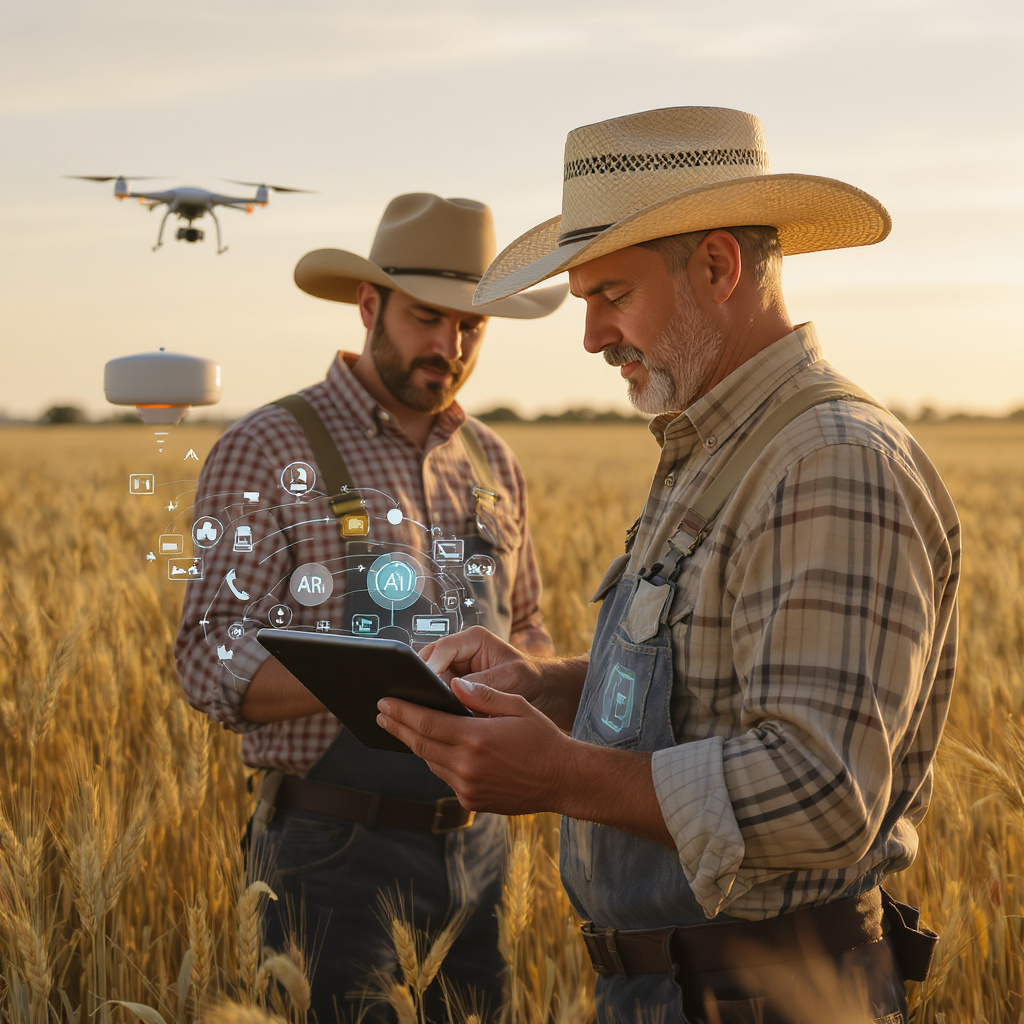
Practical, easy-to-adopt AI can turn farm data into better daily decisions. Try these 7 focused steps to get measurable results without overcomplicating your operation.
- 1. Assess needs: Map the pain points and pick one clear KPI (yield/ha, input cost per tonne, labor hours). Collect a short baseline so you can judge results.
- 2. Start small with time-boxed pilots: Run a one-season pilot on one field or workflow. Use control plots or before/after comparisons and define success metrics up front.
- 3. Use edge-capable tools: Choose sensors and models that work offline or with intermittent connectivity so recommendations remain usable in remote fields.
- 4. Combine simple sensors and scouting: Pair soil/weather probes with weekly drone or satellite passes to target irrigation, scouting routes and variable-rate inputs.
- 5. Verify vendor claims: Require vendor-neutral evidence, raw or aggregated trial data, sample sizes, and clear KPIs. Insist on a pilot with measurable milestones.
- 6. Partner locally: Work with agronomists, trusted hardware vendors and extension services for calibration, training and translation of model outputs into action.
- 7. Scale thoughtfully and monitor: When pilots prove value, standardize data formats, automate alerts, train teams, and track model drift and operational KPIs over time.
Small, documented wins — clear metrics, offline reliability, and hands-on training — make AI a dependable tool that improves margins and sustainability. Start with one measurable goal, test quickly, and scale what proves repeatable.